🌷 Jade Ygouf

 LinkedIn
 GitHub
 Resumé
Hi! My name is Jade - a data scientist working where science and AI meets sustainable development.
🎓 MSc in Environmental Data Science and Machine Learning from Imperial College London, BASc in Arts and Sciences from UCL.
👩🏻💻 I have supported public and private sector clients with data storytelling & modelling.
🌍 I've lived in 3 countries, and have learned 5 languages.
Data Science and Machine Learning Portfolio
Relevant Academic projects and research

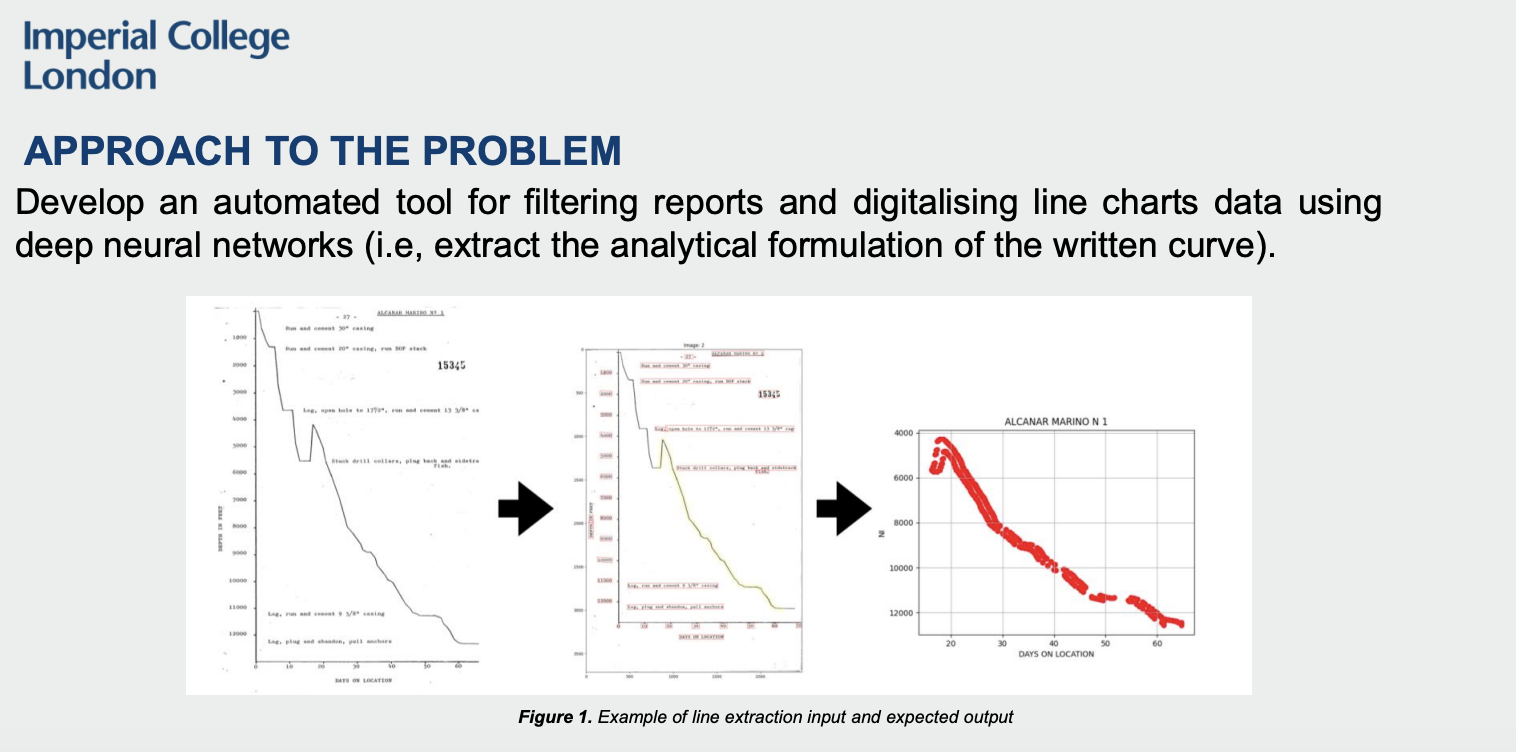
Master dissertation at TotalEnergies : VisionGraph- Using Deep Neural Networks
for Automated Digitalisation of Geological Surveys’ Line Charts 📈.
The climate and the biodiversity crisis are probably the greatest challenges of our time. To mitigate its detrimental consequences, carbon capture and storage (CCS) is a critical element of carbon management.In line with this plan, the TotalEnergies’ CSS team must conduct thorough investigations to assess geological regions and determine whether safe and longterm CO2 storage is feasible. The first task involves examining hundreds of geological studies.
The main challenge encountered is that various artefacts, such as handwritten texts, brightness variability, and scan defects, are present in the scanned studies. To address these issues, this research project harnesses the power of supervised and transfer learning techniques to process scanned reports and “digitise line charts data”.
























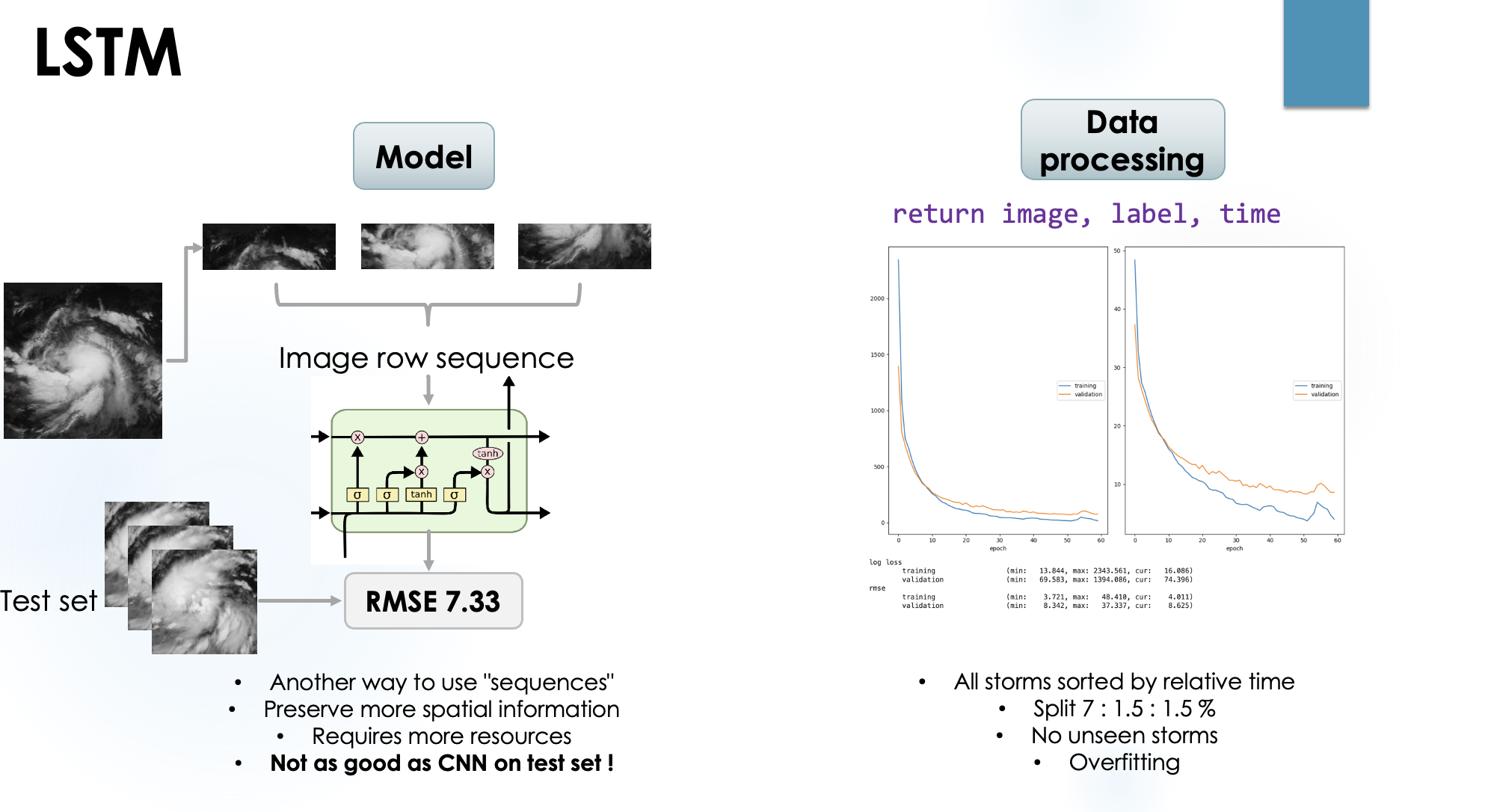
Real-Time Forecasting of Tropical Cyclones 🌪️
In an era where climate change impacts are increasingly evident, accurate weather forecasting has never been more crucial. Our project harnesses the power of deep learning to tackle the complexities of weather prediction, particularly for the U.S. coastline. By using a LSTM model, we predicted wind speed under different scenarios.To enhance our predictive capabilities, we generated three additional samples of satellite images using a ConvLSTM network, assuming the time sampling aligns with our predictions. This enriched our dataset and improved model accuracy.














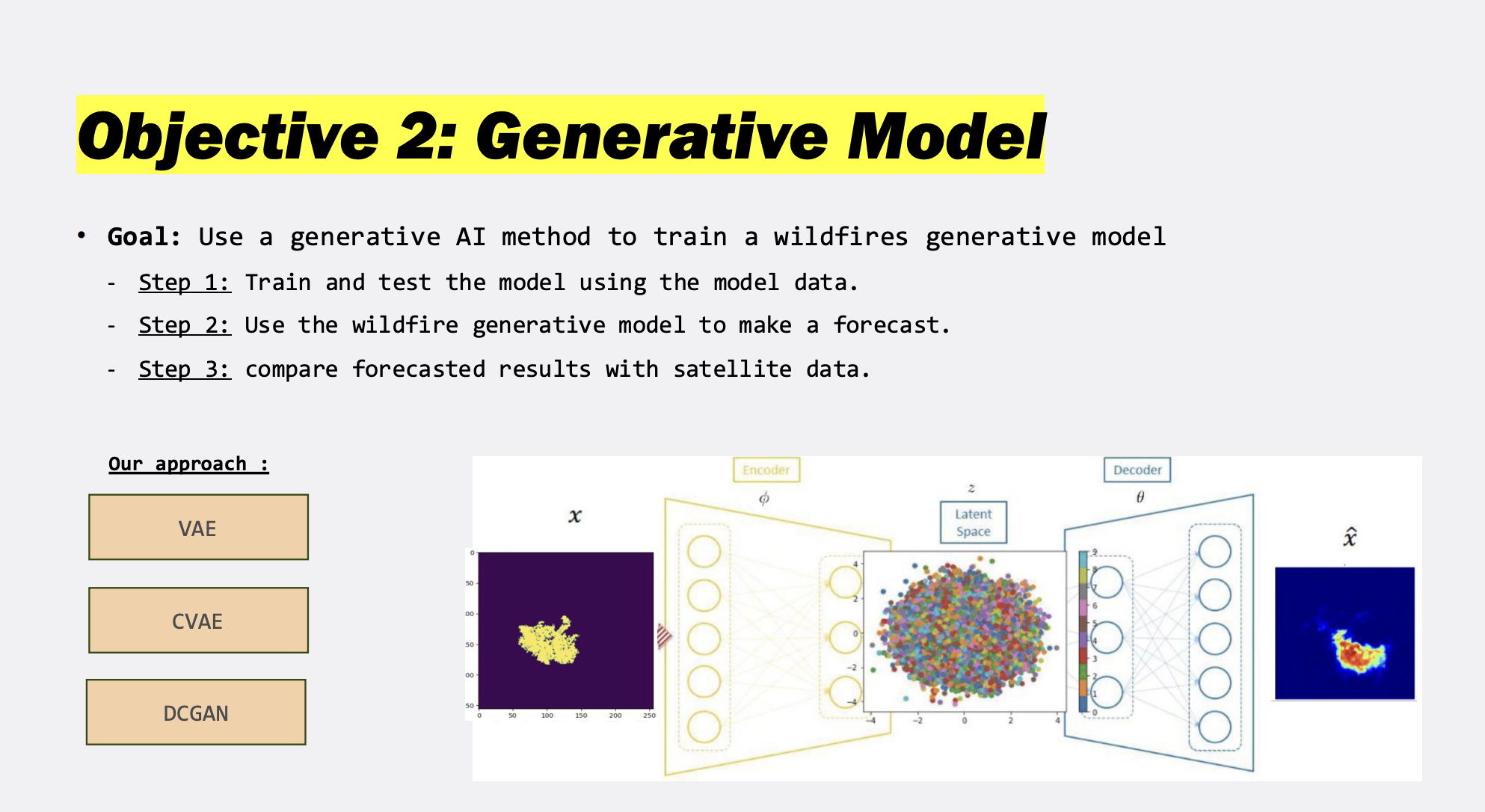
Wildfire Prediction 🔥
The wildfire prediction system was developed using Recurrent Neural Networks (RNN), Generative AI, and Data Assimilation techniques. The RNN-based surrogate model was trained on historical wildfire data, capturing temporal patterns in wildfire behavior. A separate Generative AI model was also trained to simulate wildfire spread by generating synthetic scenarios.
Data Assimilation was performed in a reduced space to merge outputs from both models, improving accuracy by incorporating real-time data. This integrated approach provided more reliable wildfire predictions, aiding disaster preparedness and response efforts.



-orange)

Flood risk prediction tool🏘️
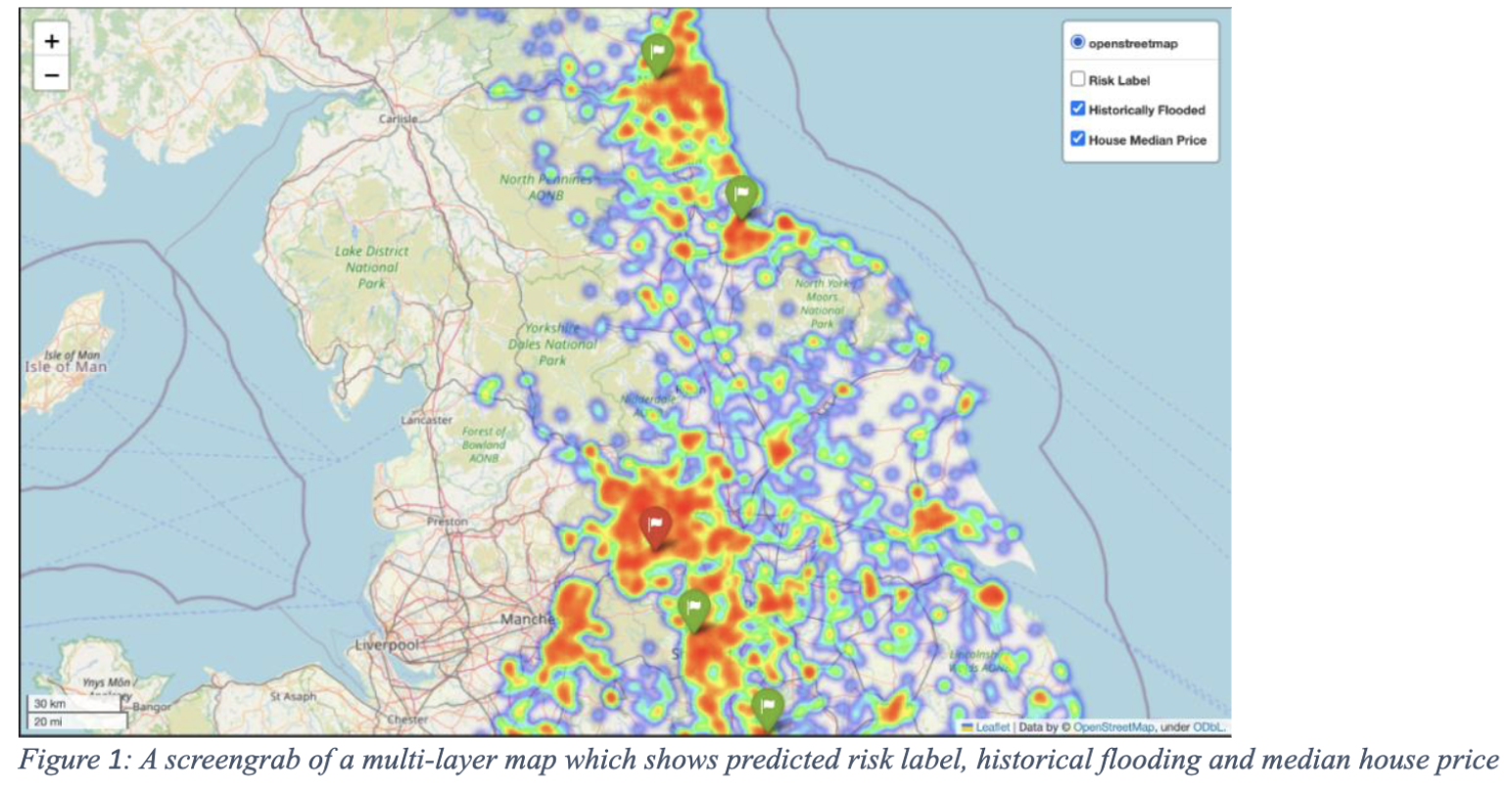
Flooding is a pressing issue and may occur after heavy rainfall, being exacerbated by recurring events. This research identified areas of England that are at risk of flooding through a prediction model. We created a model with the capability to classify flood risk for UK postcodes and locations and to visualise and analyse rainfall data in conjunction with the above tool to present risk information to the user.











The task was to perform a first initial benchmark to analyse the environmental condition of Nagasaki, Japan, using Earth Observation archive data. The first part involved producing a land-cover classification map. This began with a single dataset to develop the workflow and ensure that the processing pipeline functioned correctly and produced representative classes. Following this, a time-series analysis was built to examine changes in land cover over time.
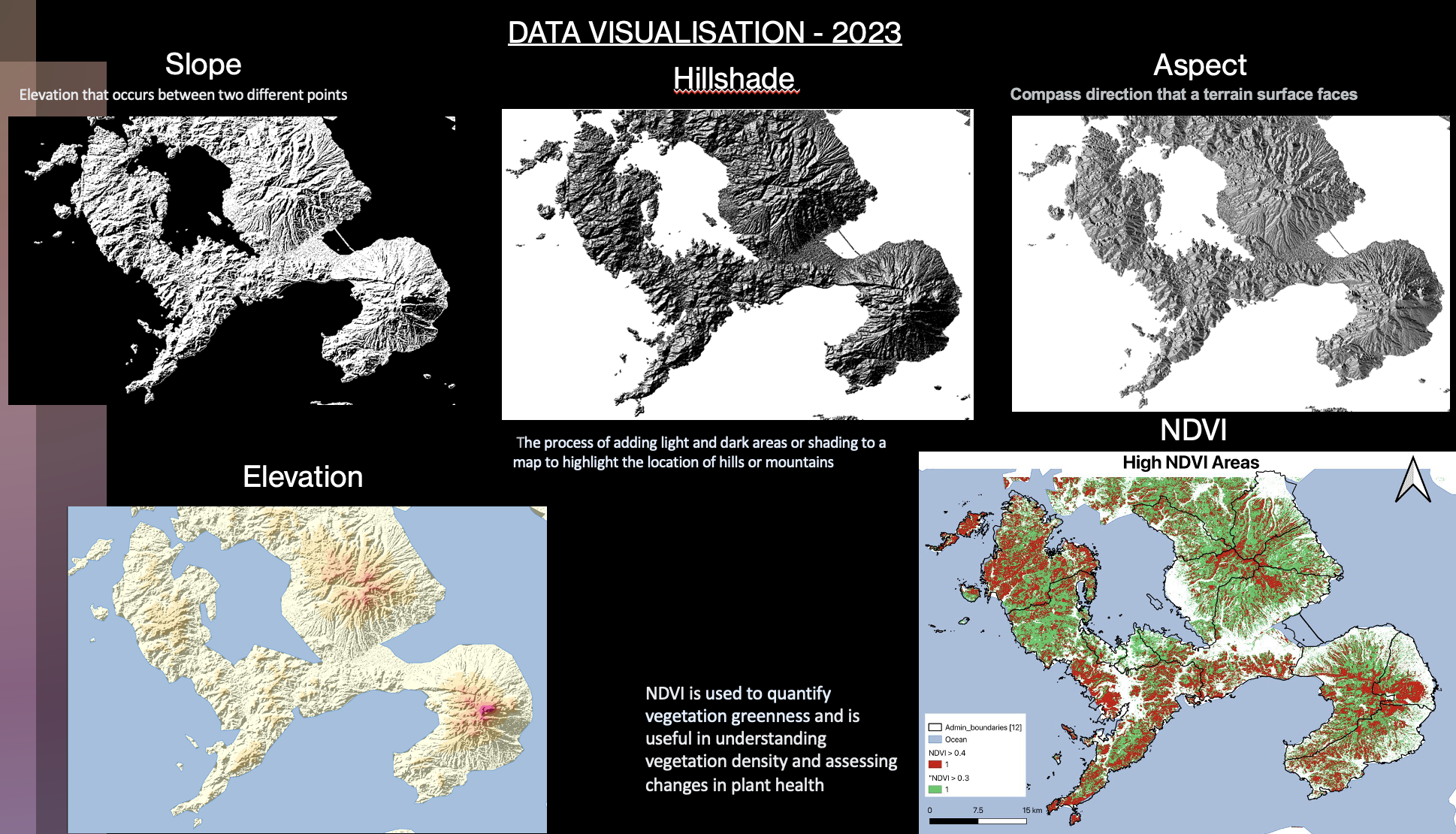








Image Filters, Projections and Slices 📸
In this project, the core task was to develop a C++ program for image processing, applying the skills and techniques acquired from the Advanced Programming course. This C++ tool preprocessed one of the given images or scans in the ‘Images’ or ‘Scans’ folder. It applied a range of image filters and orthographic projections to an input 2D image or 3D data volume. Through the designed interface, the user could combine multiple filters for the 2D image. This code also sliced both 2D and 3D images.The processed output is then generated as an image.
To compile the code, we used C++17, the most recent version of C++.






Undergraduate Dissertation : From discourses to emotions: A Twitter data-driven study of environmental worry using deep neural networks.📱
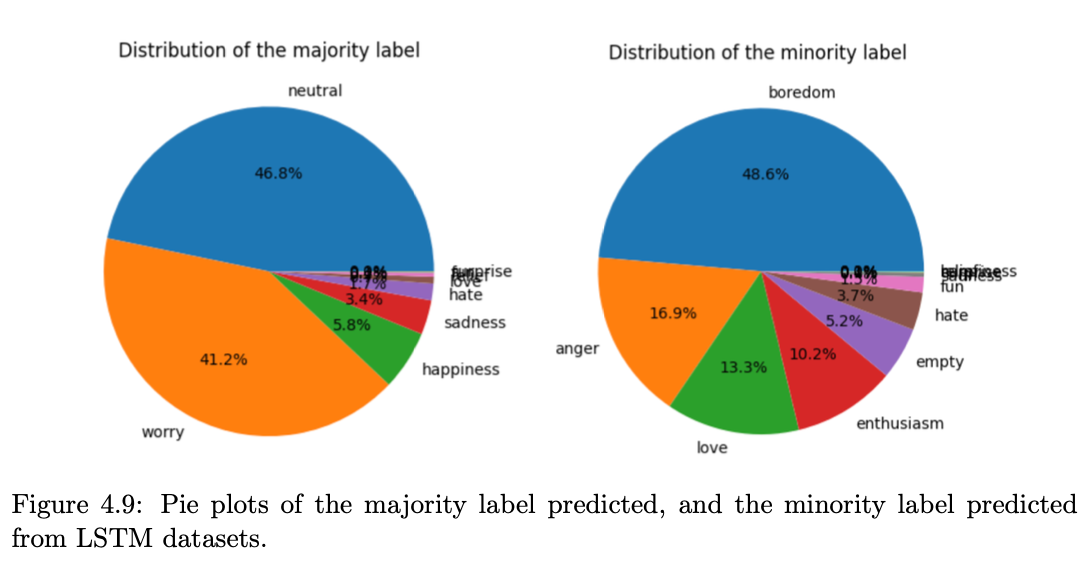
My final-year dissertation aimed to investigate the discourses surrounding the climate crisis and its emotions, adopting an interdisciplinary approach that integrated sentiment analysis to offer deeper insights into climate psychology. A Twitter dataset containing over 40,000 English-written tweets, collected over four months, was pre-processed for this study. Employing the Long Short-Term Memory model (LSTM), this study analyzed interpersonal expressions related to climate change, with a particular focus on negative emotive content.











Projects on the side of my studies
Hackathons and Competitions


Sustainachain 🌿 - Hackathon-W3B London 2024 (Bronze)🥉
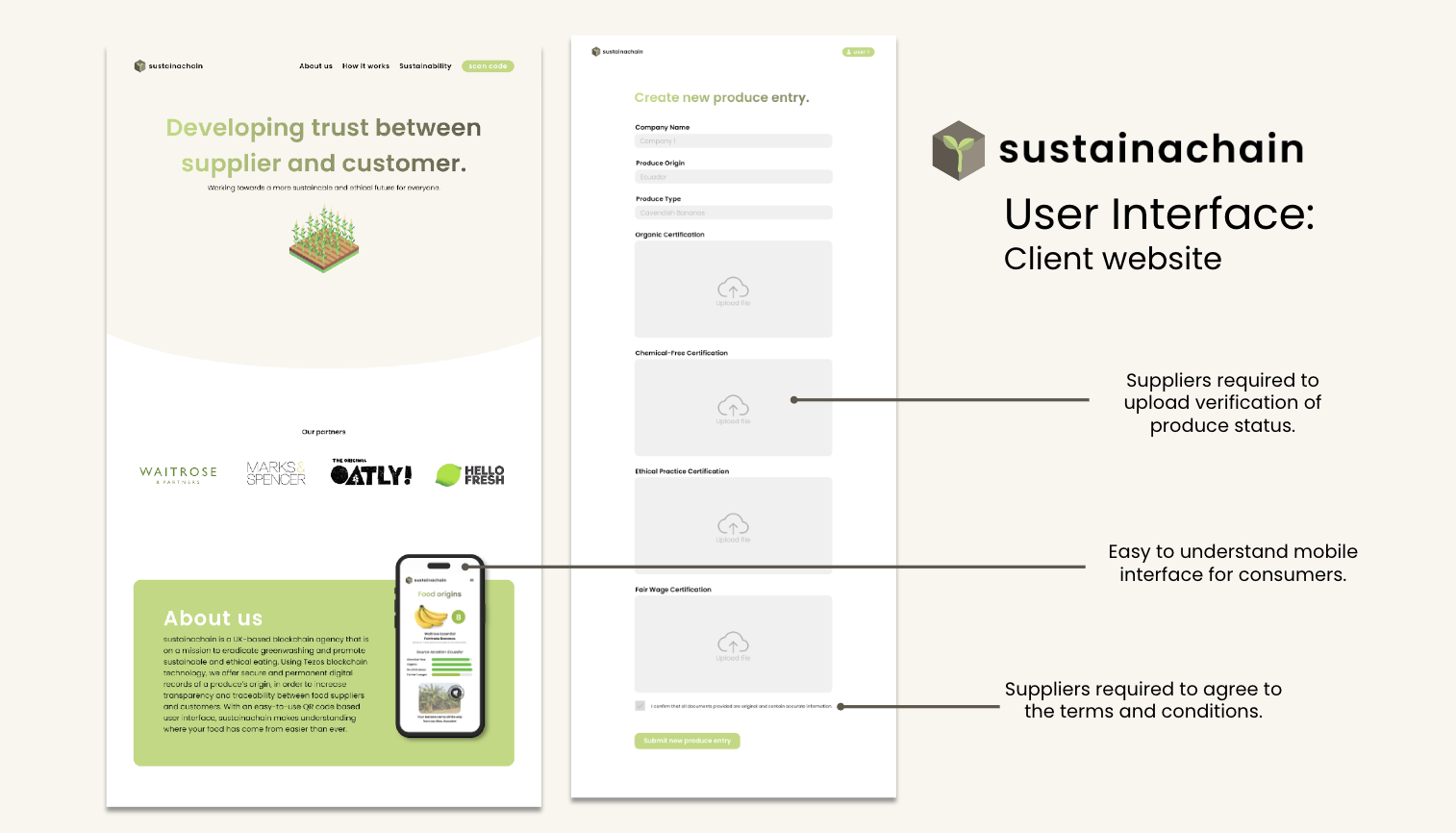
In April 2024, I participated in my first hackathon, collaborating with a team of students I had never met before. Over the course of two intense days, we developed the source code for an MVP called Sustainachain, leveraging Tezos blockchain technology. Sustainachain is designed to enhance traceability and transparency for food retailers, helping them differentiate themselves by restoring consumer trust. The tool empowers customers to make informed choices by allowing them to trace organic products from farm to supermarket using secure codes, preventing fraud and ensuring the integrity of organic certifications. As someone new to blockchain and cryptocurrency, this experience was an invaluable opportunity to learn both the fundamentals of blockchain technology and the process of creating a viable business model.




Warwick Data Science Society’s Premier League Forecasting Competition 2023 ⚽ (4th Place)
Submitted weekly results for the football prediction for the Warwick Data Science Society’s Premier League Forecasting. Managed to win a financial prize for 4th place. It was my first time writing code, and I had fun with Python.



Ongoing Kaggle Competitions
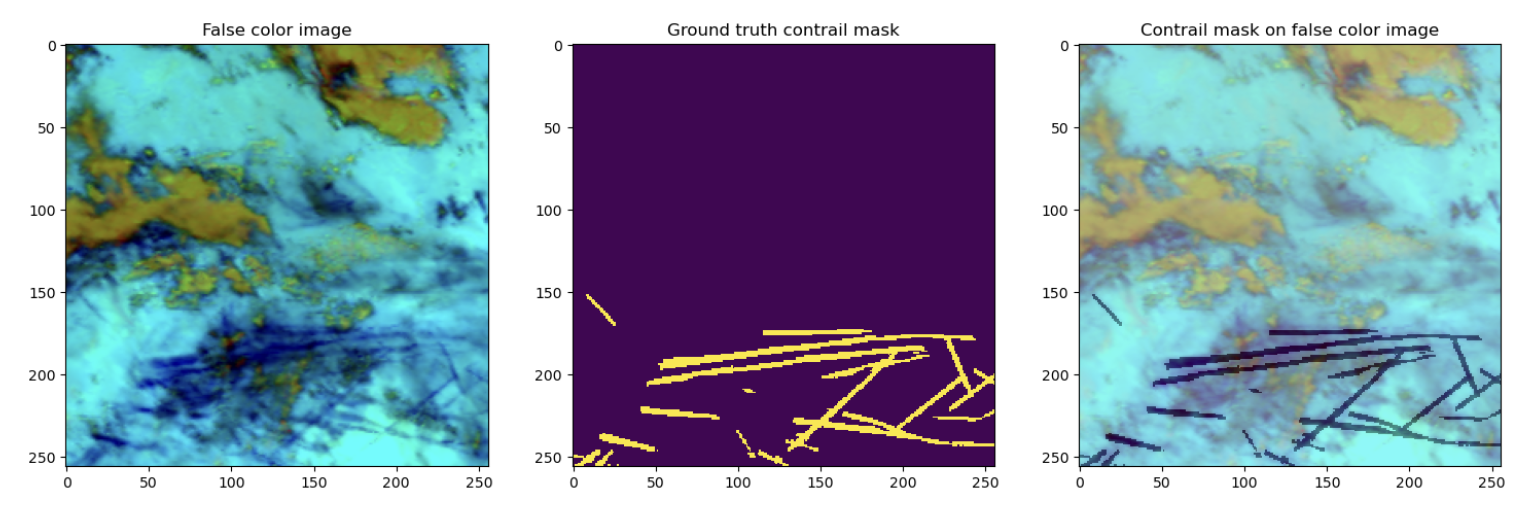
Google Research - Identify Contrails to Reduce Global Warming
Contrails are clouds of ice crystals that form in aircraft engine exhaust. They can contribute to global warming by trapping heat in the atmosphere. Researchers have developed models to predict when contrails will form and how much warming they will cause. However, they need to validate these models with satellite imagery.